The phone call usually comes on a Tuesday. The discharge coordinator says they're "thinking Thursday" — like Thursday is a normal day, like you're agreeing on a coffee. You write it down on the back of an envelope. You hang up.
Then you remember the kitchen.
The gap nobody warned you about
Hospital discharge planning is usually quick. A bed is needed. The patient is medically fit. Someone runs through equipment, medication, follow-up appointments. Forty-eight hours later, an ambulance pulls up.
What rarely gets discussed in any of those conversations is the house. Whether it's safe to walk through. Whether the bed is reachable. Whether the kitchen can produce a meal. On paper, the home environment is part of the discharge-to-assess pathway. In practice, it's nobody's job.
That gap falls to the family. Forty-eight hours. A house nobody's been in since Tuesday. And still work, and kids, and visiting hours.
The milk in the fridge
What most families notice first when they go back to check the house is the milk. It went off in the days after their mum or dad was taken in, and the smell is unmistakable from the front door. They apologise for it before they apologise for anything else.
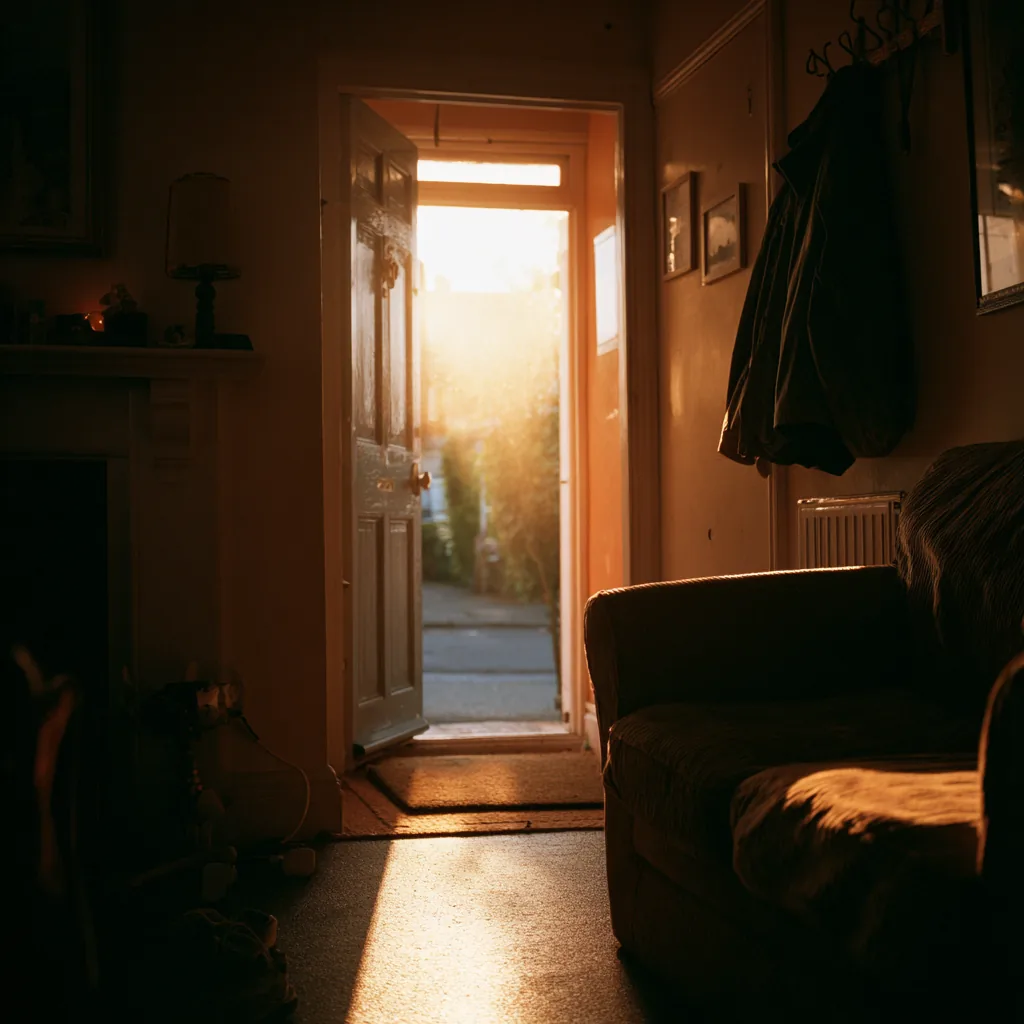
The other thing is often the chair. A recliner pulled into the lounge — sometimes the dining room. That's nearly always the sign that the stairs had become impossible weeks before the fall that put them in hospital. Coming home to that chair, in that room, with familiar things around it, is what most people picture when they say they want them back where they belong.
Picturing it is one thing. Getting there by Thursday is another.
You want them home, and you're afraid of how coming home will look
Both of those feelings are honest. You've spent the week willing the discharge to come through. Now it has, and you're not sure the house is fit to receive them.
You're not failing your mum by noticing the carpet. You're not betraying your dad by ringing strangers about the bathroom. The house has been empty, and it shows. That's not anyone's fault.
You don't need the house to be "unsafe" on paper for someone to come round. If you're worried about how it'll look when she walks back in, that's reason enough to ring.
What a discharge clean actually covers
It's a recognised service category, even if no one in the hospital used the words for it. A deep clean before hospital discharge — sometimes called a welfare clean or a discharge clean — covers the parts of the home that need to be safe and usable from the moment the ambulance arrives. Kitchen and bathroom first. Bedroom next. Floors clear. Surfaces sanitised. Anything spoiled, removed.
If the house has fallen further than that — if a bigger hoarding clearance is needed before it's safe again — we can scope that on the phone in five minutes. For most discharge cases, a single visit on the day before is enough.
Funding sometimes comes through adult social care as part of a care or support package. Sometimes it's the family paying privately because they don't have time to chase a referral. We can talk through the options for your situation when you call.
You don't have to be the one cleaning the kitchen tonight
The team who'd come round has done discharge cleans before. They know to start with the fridge. They know the milk takes five minutes. They know not to comment on the chair in the lounge. They're DBS Enhanced checked, and they've worked alongside hospital social workers and discharge coordinators before, so the paperwork side is familiar too.
We can usually be at the house within 24 hours of a phone call. Sometimes the same day, if the discharge has been brought forward.
You've spent the week running between the ward and the car park. You don't have to spend Wednesday night with a mop as well.
Ring 01933 213045 — we work to your discharge date, not ours.
By the time the ambulance pulls up on Thursday, the kitchen won't be the first thing they see.