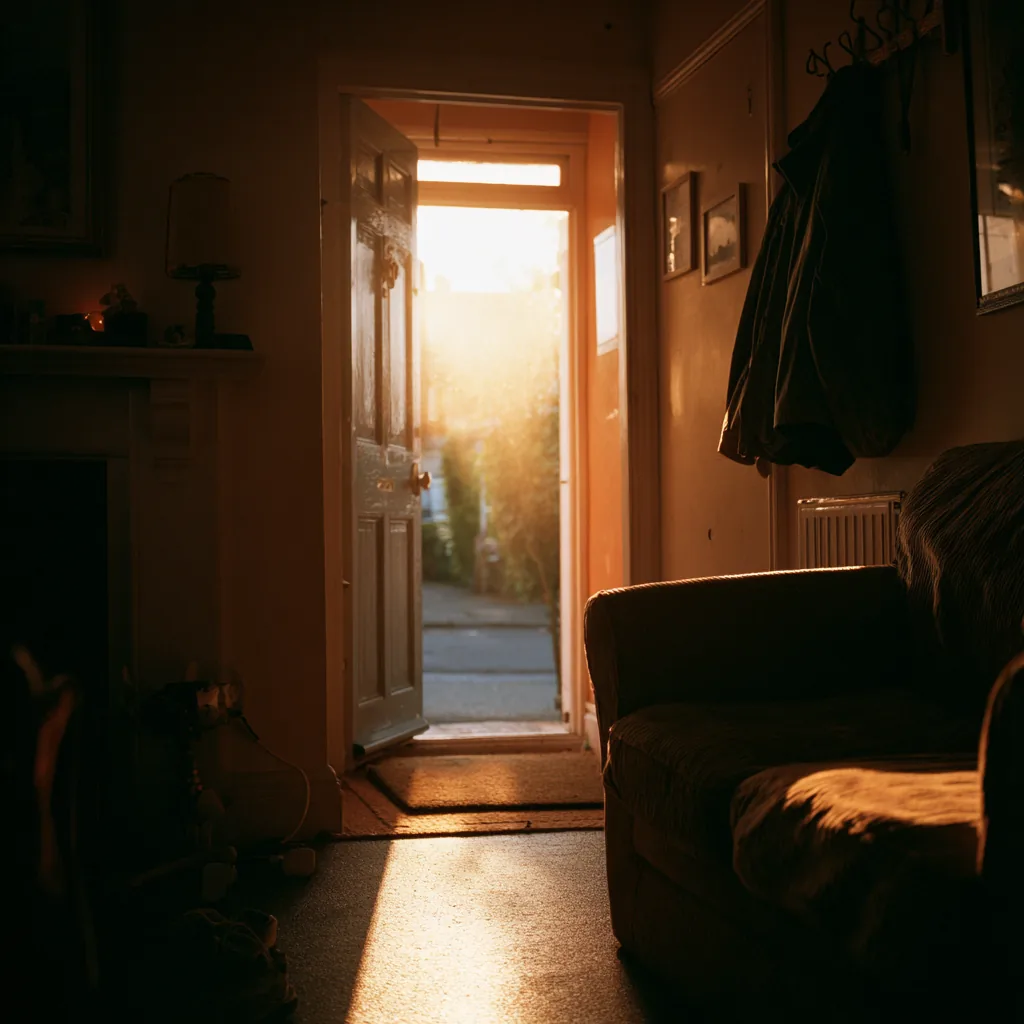
The house smells different now. You noticed it the moment you opened the front door — something stale, something closed-in, something that tells you this hasn't been a well home for a long time.
Maybe your mum passed away last month. Maybe your dad's been moved into care and the property needs clearing. Maybe a relative died alone and the house has been sitting empty for weeks. However you got here, you're standing in the doorway thinking the same thing most people think: where do I even start?
That question is the reason end of life cleaning exists. But most people have never heard of it.
It's not what you think it is
When people hear "end of life cleaning," many assume it means crime scenes or something from a television drama. It doesn't.
End of life cleaning is specialist cleaning carried out after someone has died, or after a long illness has left a home in a condition beyond a normal clean. That might mean soiled carpets and bedding. It might mean rooms that haven't been opened in months. It might mean a kitchen that stopped being used because the person couldn't get to it any more.
These aren't homes that were neglected. These are homes where someone was unwell, often for a long time, often without enough support. The property tells the story of an illness, not a failure.
How a home reaches this point
It happens gradually. Someone gets ill and the cleaning slows down. Rooms start closing off — the spare bedroom first, then the kitchen. Visitors stop coming because the person is embarrassed, so there's nobody else to notice. By the time they pass away or move into care, the property has been quietly deteriorating for months or years.
You might feel guilty that you didn't see it sooner. Most families do. But these situations are hard to see from the outside — especially when the person living there has spent a long time hiding it.
You wanted to respect their independence, and now you feel like you should have stepped in sooner. Both can be true. That's not a failure — it's what caring looks like.
Why a regular cleaner isn't the answer
Most families try a regular cleaner first, or try to do it themselves. They get halfway through the hallway, open a bedroom door, and realise this is something different. That's usually when the real search for help begins — not at the beginning, but after the first attempt.
End of life cleaning often involves biohazard materials — bodily fluids, clinical waste, sometimes pest issues that have built up over time. A regular domestic cleaner isn't trained or insured for that. And asking a family member to deal with it isn't fair either.
There's no shame in recognising that. Most families who find specialist cleaning services say the same thing: "I had no idea this kind of help existed."
What happens when you call
A conversation. That's all. You describe what you've found, and we'll tell you honestly whether it's something we can help with.
If it is, we arrange a visit to the property. We arrive in unmarked vehicles — no signage, no indication of why we're there. Our team is DBS Enhanced checked and safeguarding trained. We work alongside councils across Northamptonshire, Milton Keynes, Norfolk, and Norwich, and carry a full waste carrier licence.
Most end of life cleaning projects take one to three visits, depending on the property. Everything is handled — cleaning, clearance, waste removal. No need to coordinate multiple contractors.
You don't have to do this alone
If any of this sounds familiar, you've already taken the hardest step — looking for answers. You're not the first person to stand in that doorway wondering what to do. You won't be the last.
There's no judgment here. No pressure. You don't need it to be "bad enough" to call. If you're worried about a property, that's enough.
Call us on 01933 213045, any time, day or night. Everything is completely confidential.
You don't have to open that door alone.
You can read more about our end of life cleaning service, or our guide to what to expect when you book a specialist clean. If you're here because a living relative's home has been filling up since a bereavement rather than a property left behind, our guide on hoarding after bereavement is closer to what you need.