Most policy reports don't change a Tuesday. You've read enough of them at your desk, between visits, to know the distance between a recommendation and a doorstep.
This one might be an exception. The Casey Commission — the independent review of adult social care — published its first report this summer. One idea in it has safeguarding teams talking: a national safeguarding board. One body, for the first time, reading how councils across England handle their hardest cases. Hoarding and self-neglect sit squarely in that pile.
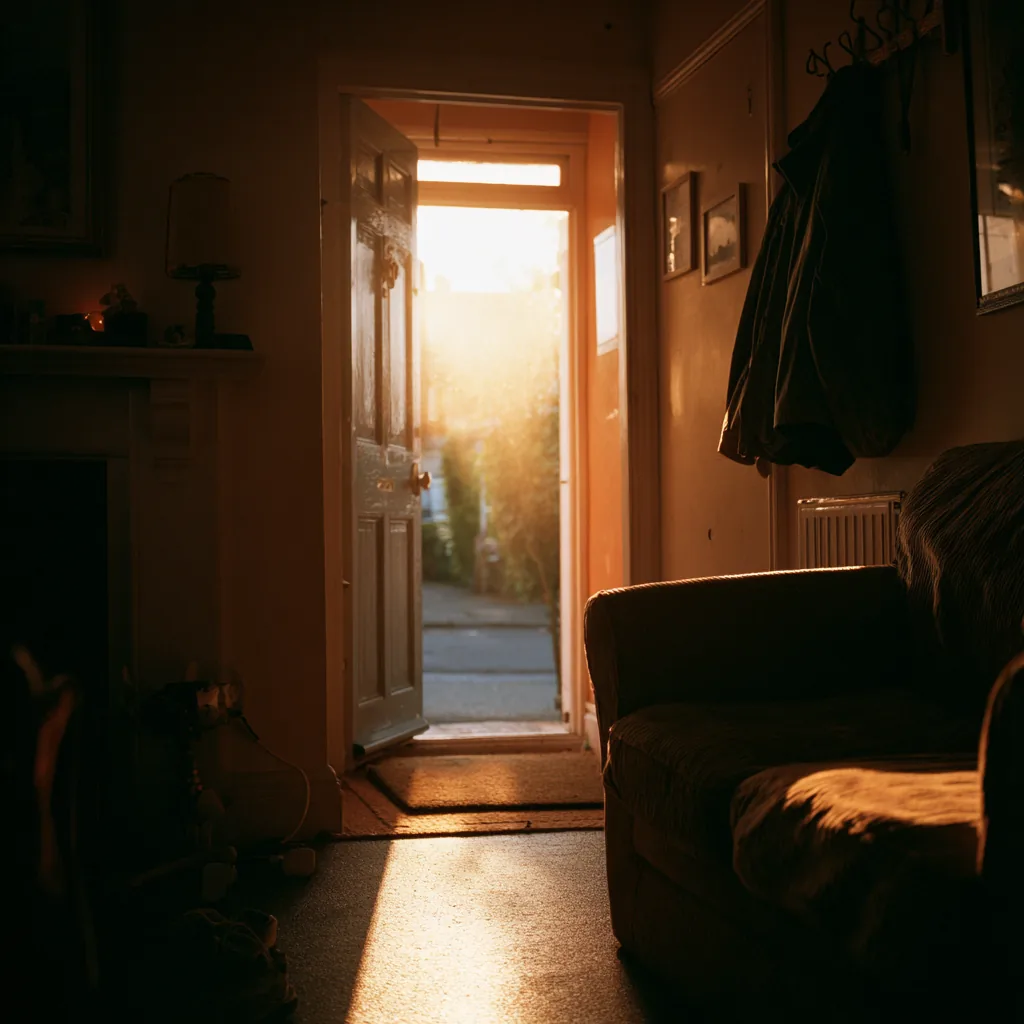
A word about the view this piece is written from, because it isn't Whitehall's. It's the front door of a home that's become unsafe — the report as it looks from a doorstep rather than a desk.
The category nobody marches for
Self-neglect has always been safeguarding's quiet corner. It only entered England's formal safeguarding framework with the Care Act, a decade ago. It still sits awkwardly there — no perpetrator, no tidy referral shape, a person at risk chiefly from their own front room.
That's why a national board could matter more for these cases than almost any others. Self-neglect cases would be read side by side across the country for the first time. The pattern you can half-see in one case file becomes visible next to everyone else's.
If part of you sighed, you've earned the sigh
Another board. Another framework, probably another form. Weariness is a fair response from anyone who has lived through a reorganisation or three.
And yet the cases this is for are exactly the ones that follow you home. Wanting the scrutiny and dreading the paperwork aren't opposites. Most officers who carry these cases are holding both at once.
What a hearing room can't see
Here's one thing any national board would need told to it, because it comes from hallways, not hearings.
In a long self-neglect case, the resident can usually name every professional who has ever visited. First names. Years apart. The person described in the file as disengaged, hard to reach, closed — they remember the housing officer from 2019 and the nurse who came twice. One gentleman still had the leaflet a social worker left him four years earlier, creased soft from handling, kept on the arm of the one clear chair.
The people said to be beyond engaging remember everyone who tried.
Whatever gets built nationally, that's the fact worth protecting. Coming back matters. Being remembered as someone who came back matters more.
The part no board should change
It stays the person's home. This is where we should say who "we" are: Bubble Fresh is a specialist cleaning company that works alongside councils in four counties, and a "no" is an answer we respect, however unsafe the rooms behind it are. Whether that no can genuinely be weighed is a judgement that belongs with you and your safeguarding leads — it should never be settled by whoever turns up in the van.
If you're deciding which route a case belongs in before any of this lands, our piece on how self-neglect and hoarding differ at the door is the practical companion to this one — or our guide on when hoarding becomes a safeguarding concern if the question is whether a case is safeguarding at all, rather than what a national board might change.
Worth doing before the board exists
Scrutiny reads records. The habits that will look right under a national lens are the same ones that serve residents now: the early referral rather than the crisis one, consent recorded in the person's own words, the paperwork closed off properly at the end. When we finish a hoarding clean, that's the shape we try to leave behind — completion record and waste documentation in writing, and DBS-checked, safeguarding-trained teams who know who to tell if something surfaces mid-clean.
None of that was designed for a national board. It will still be the right shape when one arrives.
Reading to the end
You've read to the end of a piece about a board that doesn't exist yet, on the chance it might change something for your residents. That says more about how you work than any framework will. The system being redesigned is, quietly, being redesigned around officers like that.
If a case on your desk looks like the ones this report was written about, you don't have to wait for the national reading of it. Call us on 01933 213045 — you don't need a referral number to ring us, and asking a question isn't opening a case.
Some Tuesdays do change. Usually because somebody rang on one.